Logo

3 YEAR DEGREE PROGRAMME

Practical Skill-Oriented Graduation After 12th

B.Sc. Electronic Media After 12th – Practical Skill-Oriented Graduation The B.Sc. Electronic Media graduation program at Mantra Institute is designed with a strong practical foundation. In today’s rapidly evolving digital era, a purely theory-based academic model often does not provide sufficient skill development required in the creative and media industries.

This program is specially structured for students with a creative mindset and for those who wish to develop strong practical skills alongside formal academic education. The framework emphasizes applied learning, technical execution, and hands-on training throughout the course duration.

Throughout the three-year program, students gradually develop expertise in different areas of digital media including Graphic Design, Video Editing, 3D Animation, Interior Design, and Visual Effects (VFX).

While theoretical subjects remain an essential part of the university curriculum, the primary focus of the program is on practical implementation, real-time projects, and structured skill-building processes. Students engage in practical subjects and guided assignments that help them understand professional workflows and industry standards.

By the end of the program, students develop a professional portfolio and strong practical skill set, preparing them for opportunities in design studios, animation companies, film production houses, advertising agencies, digital media companies, interior design firms, and freelance creative careers.)

PROGRAM DETAILS
Duration: 3 Years (6 Semesters)
Eligibility: 12th Pass (Any Stream)
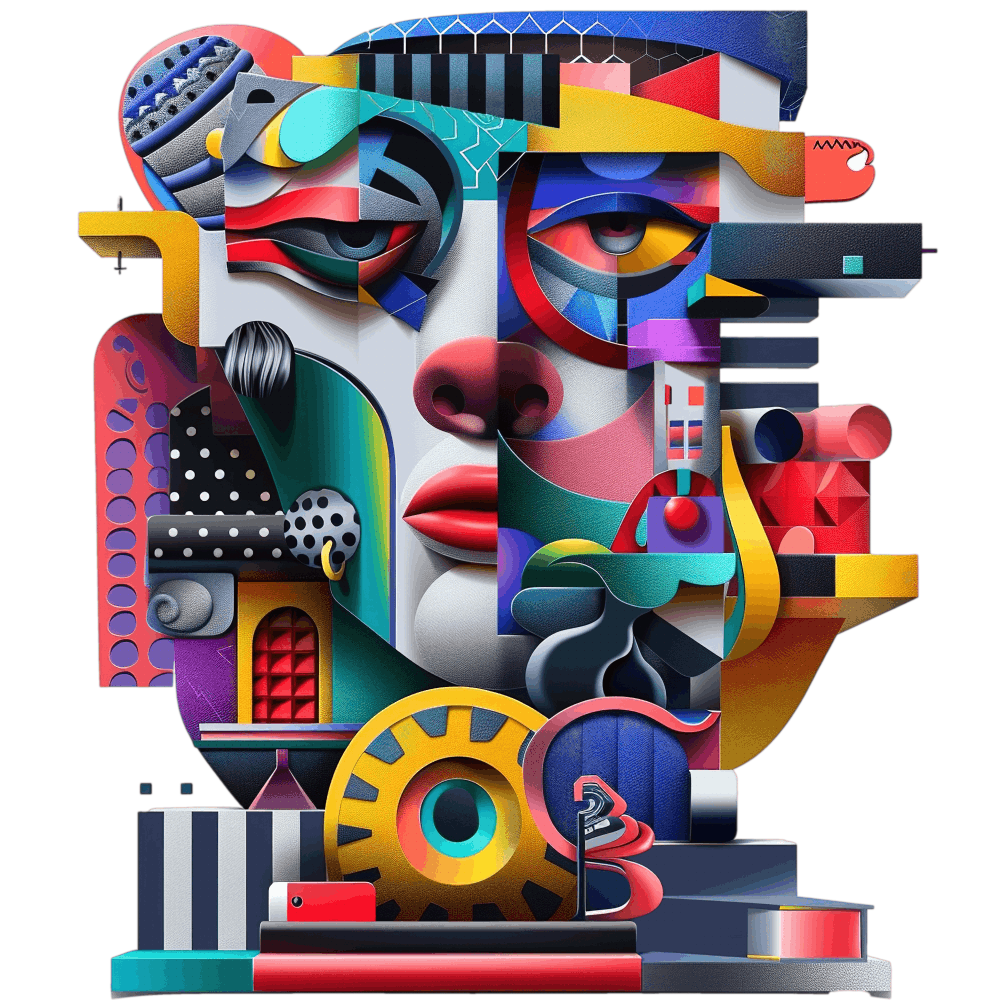
Graphic Face

1ST SEMESTER – GRAPHIC DESIGN

The first semester focuses on building a strong foundation in graphic design and visual communication. Graphic design is a powerful medium used to communicate ideas, messages, and information through visual elements such as images, typography, color, and layout.

Students learn the basic principles of design composition, color theory, typography, branding concepts, and layout design. The course helps students understand how design is used in advertising, branding, marketing campaigns, social media, and digital communication.

Through practical assignments and guided projects, students create logos, posters, brochures, advertisements, banners, and social media graphics. This semester helps students develop creativity, visual thinking, and professional design workflow skills required in the creative industry.

Through practical assignments and industry-oriented training, students learn how to create professional designs that effectively communicate ideas and messages.

SOFTWARE COVERED:

  • CorelDRAW
  • Adobe Photoshop
  • Adobe Illustrator

(Apart from the listed software, students may be trained on additional tools as per industry requirements.)

Graphic Design

2ND SEMESTER – VIDEO EDITING

The second semester focuses on video editing and post-production techniques used in films, digital media, advertising, and online content creation.

Students learn how to convert raw footage into engaging video content using cutting techniques, timeline editing, transitions, sound design, color correction, and visual storytelling methods.

The course also introduces students to content structure, storytelling flow, and editing techniques used in promotional videos, advertisements, documentaries, and social media content.

Through practical projects, students create short films, YouTube videos, promotional content, and advertising clips, helping them understand professional editing workflows used in media production.

SOFTWARE COVERED:

  • Adobe Premiere Pro
  • DaVinci Resolve
  • Adobe After Effects

(Additional tools may be introduced as per industry requirements.)

Graphic Design

3RD SEMESTER – 3D ANIMATION

The third semester introduces students to the world of 3D animation and digital modeling. This course focuses on the techniques used to create animated characters, objects, and environments used in films, games, and advertisements.

Students learn the fundamentals of 3D modeling, texturing, lighting, camera setup, rigging, and animation principles. They also understand how animated scenes are created and rendered in professional animation studios.

Through hands-on practice and guided assignments, students create 3D models, animated objects, and small animation sequences. This semester helps students develop technical skills and creative visualization required in the animation industry..

SOFTWARE COVERED:

  • Autodesk Maya
  • 3ds Max
  • Blender

(Additional industry-relevant tools may be included during training.)

Graphic Design

4TH SEMESTER – INTERIOR DESIGN

The fourth semester focuses on Interior Design, which involves planning, designing, and organizing interior spaces to make them both functional and aesthetically appealing. Interior design plays an important role in creating comfortable and efficient environments for homes, offices, and commercial establishments.

In this semester, students learn the fundamentals of space planning, furniture layout, color combinations, lighting concepts, materials, textures, and interior presentation techniques. They also understand how different design elements work together to create visually balanced and practical interior spaces.

The course introduces students to architectural drawing basics, floor planning, site measurements, cost estimation, and project visualization techniques. Students also learn how to prepare professional design presentations and layout plans for clients.

Special emphasis is given to designing both Residential and Commercial Interior Projects. Students are trained to design residential spaces such as homes, bedrooms, kitchens, and living areas, as well as commercial spaces such as offices, showrooms, retail stores, cafes, and workspaces.

Through practical assignments and guided projects, students develop the ability to convert ideas into detailed interior layouts and realistic 3D visualizations, combining creativity with technical accuracy and professional planning.

SOFTWARE COVERED:

  • AutoCAD
  • SketchUp
  • V-Ray
  • Lumion

(Additional tools may be introduced based on industry trends.)

Graphic Design

5TH SEMESTER – VFX (VISUAL EFFECTS)

The fifth semester focuses on Visual Effects (VFX), which are widely used in films, television, advertising, gaming, and digital media production.

Students learn advanced techniques such as compositing, motion tracking, green screen keying, CGI integration, digital environment creation, and visual simulations.

The course helps students understand how live-action footage is combined with computer-generated elements to create cinematic and realistic visual effects.

Through project-based learning, students work on VFX shots, digital scenes, and visual simulations, helping them understand the professional workflow used in VFX studios.

SOFTWARE COVERED:

  • Silhouette
  • Nuke
  • Mocha Pro
  • 3D Equalizer
  • PFTrack
  • Houdini

(Additional software training may be provided as per industry needs.)

Graphic Design

6TH SEMESTER – PROJECTS & PORTFOLIO DEVELOPMENT

The final semester focuses on industry-level project development and professional portfolio creation.

Students work on practical projects based on their area of specialization such as graphic design, animation, video production, VFX, or interior design.

Under mentor guidance, students develop projects from concept development to final execution, following professional industry workflows.

Under mentor guidance, students develop projects from concept development to final execution, following professional industry workflows.This semester also focuses on preparing a strong professional portfolio and showreel, which helps students present their work effectively to companies, studios, and potential clients.

By the end of the program, students graduate with practical experience, creative skills, and a professional portfolio, making them ready for jobs, internships, freelancing opportunities, or higher education in media and design fields.

Graphic Design

THEORY SUBJECTS (SEMESTER-WISE)

1st Semester

  • Introduction to Communication
  • Development of Media
  • Traditional Media
  • Communicative English and Hindi

2nd Semester

  • Media Language and Content
  • Media Houses
  • News Agency Journalism
  • Environmental Studies

3rd Semester

  • Media Technology
  • Camera Operation
  • Newspapers & Magazines
  • Digital Photography / Video Production

4th Semester

  • Writing for Television & Radio
  • Electronic News Production
  • Corporate Communication
  • Audio Production

5th Semester

  • Media Research
  • Media Management & Economy
  • Citizen Journalism
  • Script Writing

6th Semester

  • Media Laws & Ethics
  • Cinema Studies
  • Project Work & Viva
  • Animation / Multimedia Production
Portfolio PORTFOLIO MAKING
Live Project LIVE PROJECT TRAINING
Internship INTERNSHIP PROGRAM
Placement PLACEMENT SUPPORT